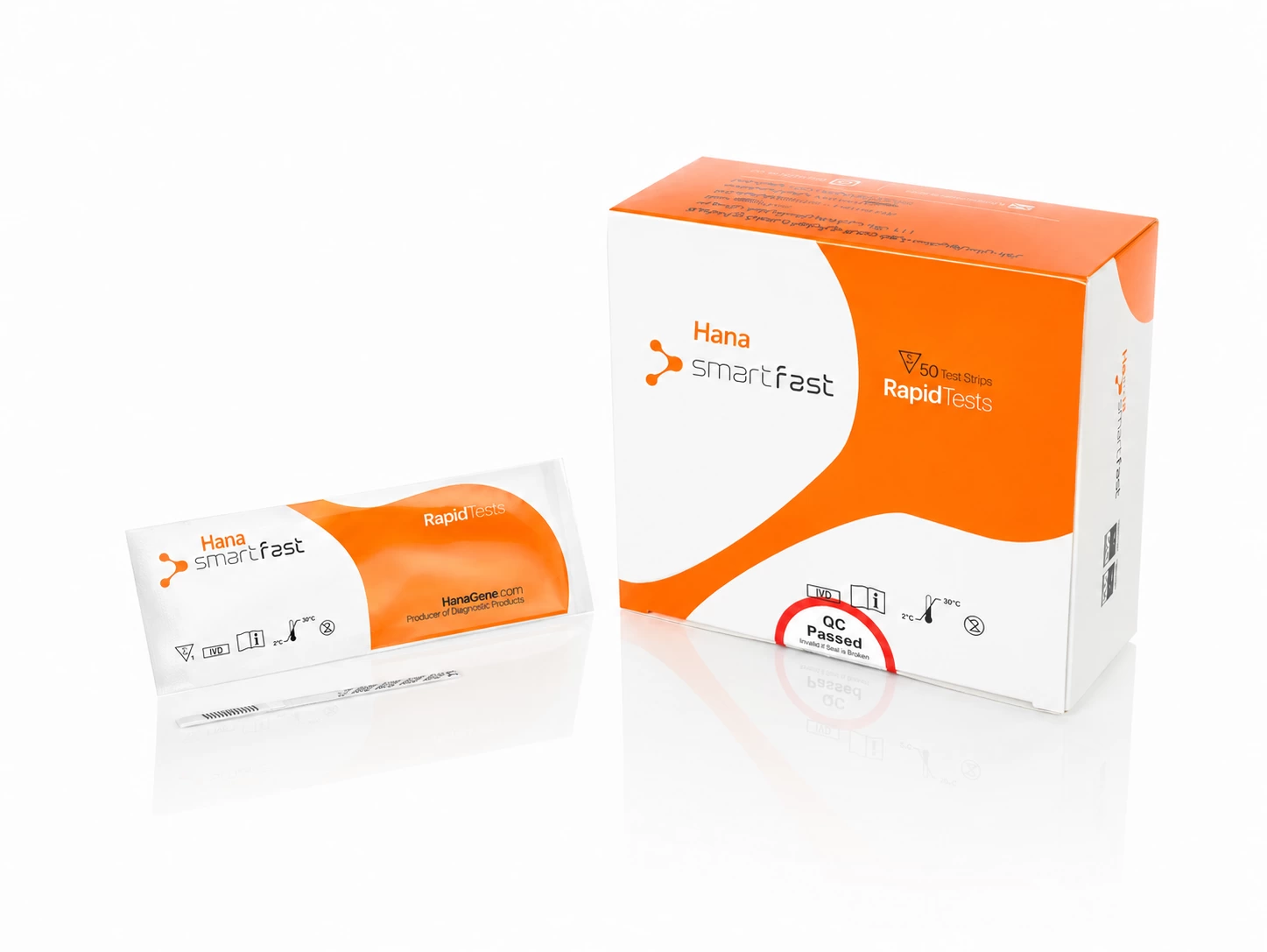
The TCA Rapid Test Dipstick (Urine) is a Rapid chromatographic immunoassay for qualitative detection of Tricyclic Antidepressant in human urine at a cutoff concentration of 1000 ng/mL which is only utilized for in vitro diagnostics (IVD). It merely provides a preliminary result, therefore, an alternative method with more specificity is recommended to be used to confirm the initial results, in which case, the most preferred method is gas chromatography-mass spectrometry (GC-MS).
Summary
Tricyclic antidepressants are used to treat depression disorders, phobias, anxiety disorders, obsessive compulsive disorder, eating disorders, premature ejaculation treatment, and some chronic pains. Imipramine, imitriptyline, nortriptyline, etc. are among the derivatives of this drug. The main action of the drugs in this group on the brain is to inhibit the reabsorption of serotonin and norepinephrine by blocking the action of serotonin and norepinephrine transmitters. Therefore, they increase the level of serotonin and norepinephrine in the brain. These drugs have very little effect on dopamine transmission. Tricyclics are used both orally and by injection. High doses of tricyclics can cause a severe decrease in central nervous activity, and lead to cardiotoxicity and anticholinergic effects. Tricyclics are metabolized in the liver and excreted through urine for 10 days. Rapid tricyclic test is a quick screening method that can be done without any laboratory equipment. This test is a monoclonal antibody for the specific detection of the increased level of nortriptyline in the urine, and the result is positive when its concentration exceeds 1000 ng/mL in the urine.
- Function Method Basis
Rapid Tricyclic urine test employs an immunochromatographic method based on competitive binding. Substances that may be found in urine specimen compete with ones metabolized by the liver to bind to antibodies. Dring the test, the urine specimen flows upward via capillary action. If the amount of tricyclic in the urine is below 1000 ng/mL, it does not bind to the binding sites of the antibodies coated with nanoparticles. Consequently, the antibody will be absorbed by the tricyclic on the surface of the membrane and will leave a colored line in the test area (T). Should the amount be greater than 1000 ng/mL, no colored line will appear in the T area, since all the binding sites of the tricyclic antibodies are occupied. So, if the presence of tricyclic in the urine specimen is positive, no colored line will be formed in the test area (T) due to drug competition, whereas if the urine specimen contains tricyclic amounts lower than the desired level in the test, a colored line will appear in this area. In order to have a procedural control, a colored line always appears in the area of the control line (C), indicating the appropriate volume of the specimen added to the membrane.
- Certain medications that may cause a false positive result
|
Anticonvulsants
Carbamazepine |
|
Antihistamines
Cyproheptadine, diphenhydramine, hydroxyzine |
|
Antipsychotics
Quetiapine |

Certifications & Standards

