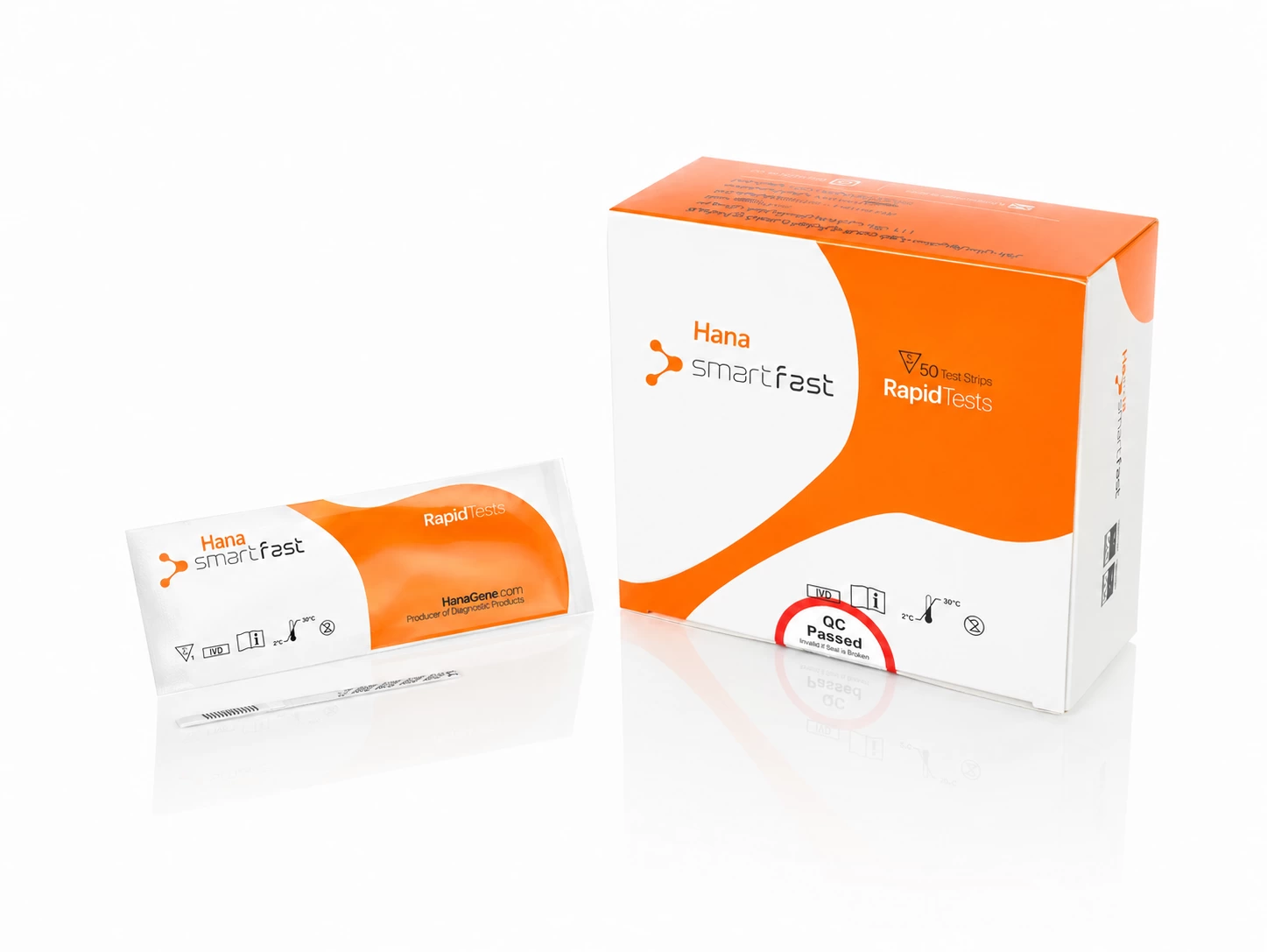
The MET Rapid Test Dipstick (Urine) is a Rapid chromatographic immunoassay for qualitative detection of Methamphetamine in human urine at a cut-off concentration of 500 ng/mL which is only utilized for in vitro diagnostics (IVD). It merely provides a preliminary result, therefore, an alternative method with more specificity is recommended to be used to confirm the initial results, in which case, the most preferred method is high-pressure liquid chromatography (HPLC).
Summary
Methamphetamine is an addictive drug, chemically similar to amphetamine, both of which causing the release of monoamine neurotransmitters (dopamine, serotonin, norepinephrine), however, Methamphetamine’s effects on the central nervous system are greater. Such substances are considered important more because of the complications caused by their misuse. This drug could be taken orally or by injection. Obviously, frequent, prolonged use of it leads to dependence and eventually, higher doses. Ice/glass (crystal meth) is the strongest type of Methamphetamine which is produced illegally. Higher doses of this drug the central nervous system and induce a state of euphoria, satisfaction, alertness, decreased appetite, and a sense of increased energy and strength. Cardiovascular responses to Methamphetamine include increased blood pressure, and irregular heartbeat. More acute responses include anxiety, paranoia, hallucinations, psychotic behaviors, depressive moods, and fatigue. Usually, the effects of Methamphetamine are around 2 to 4 hours with a half-life of 9 to 24 hours in the body. It is excreted through urine in the form of amphetamine, oxidized compounds and amine-free derivatives, although 10-20% of Methamphetamine is excreted unchanged through urine. Therefore, the main compound in the urine indicates that Methamphetamine has been used. It is usually detectable in urine after 3 to 5 days depending on the level of urine pH. Methamphetamine test strip is a rapid urine screening method, in which monoclonal antibodies are employed for the selective detection of high levels of Methamphetamine in the urine. Should the level be greater than 500 ng/mL, the test result will be positive.
- Function Method Basis
Rapid Methamphetamine urine test employs an immunoassay method based on competitive binding. If the analyte being tested is present in the urine specimen, it competes with the antibodies conjugated with gold nanoparticles to bind to the antigen binding site. During the test, the urine specimen flows upward via capillary action. If the amount of Methamphetamine in the urine is below 500 ng/mL, it does not bind to the binding sites of the antibodies. Consequently, the antibody conjugated with nanoparticles will be trapped by the stabilized Methamphetamine in the test area (T) and will leave a colored line there. Should the amount be equal to or greater than 500 ng/ mL, no colored line will appear in the T area, since all the binding sites of the Methamphetamine antibodies are occupied. In order to have a procedural control, a colored line always appears in the area of the control line (C), indicating the appropriate volume of the specimen added to the membrane.
- Certain medications that may cause a false positive result
|
OTC cold and allergy medications
Ephedrine, pseudoephedrine and deoxyephedrine, phenylephrine |
|
OTC anti-obesity medications
Phenylpropanolamine |
|
OTC nasal sprays
Afrin |
|
Anti-asthma medications
Marax |
|
Other drugs
Bupropion, desipramine, dextroamphetamine, isoxsuprine, labetalol, methylphenidate, ranitidine, ritodrine, selegiline, trimipramine, sertraline, phentermine, pholedrine |

Certifications & Standards

